Source Gua Sha Vibration Electric Massager for Home Hotel Salon
Compare 30 available options for the gua sha vibration electric massager featuring ABS materials, rechargeable power, and multiple speed settings. Buyers can evaluate specifications like contact type, weight, and customization options from verified manufacturers in China.
Key considerations
Products List


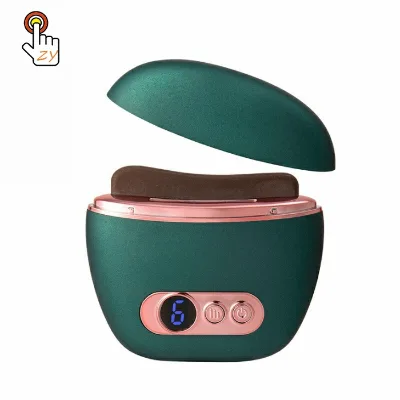


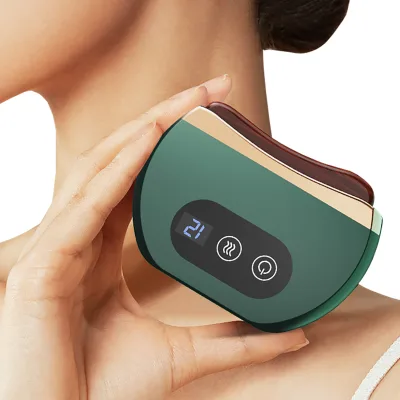
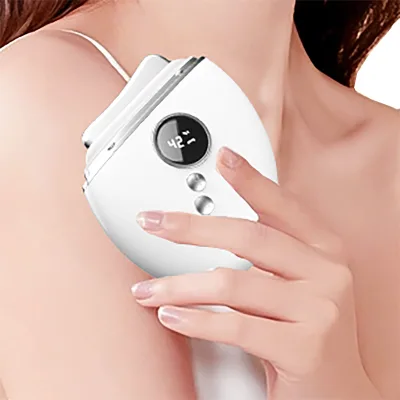

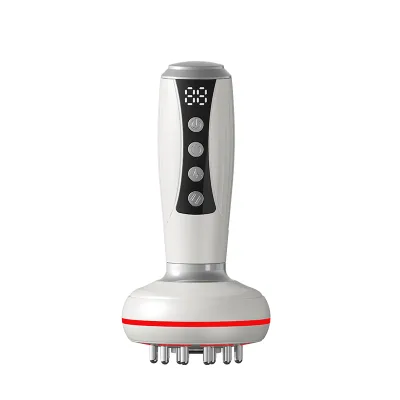


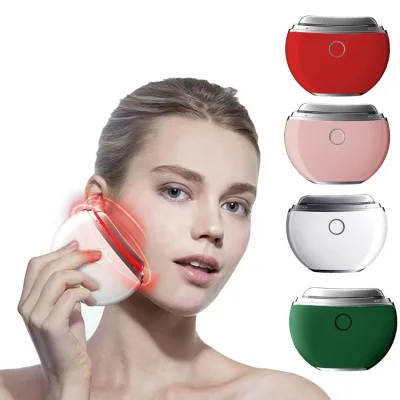
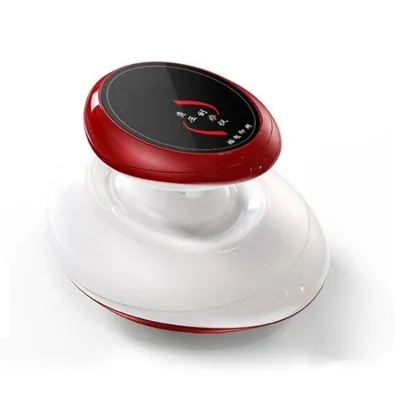
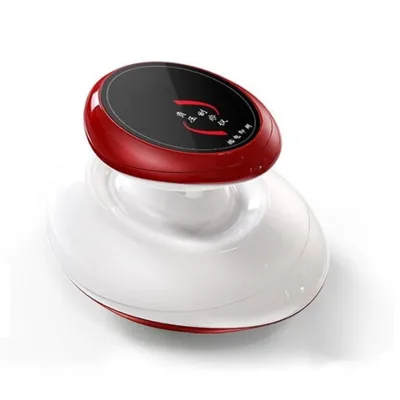
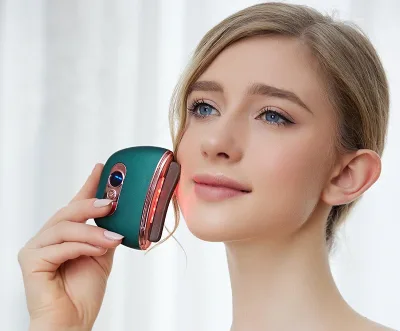


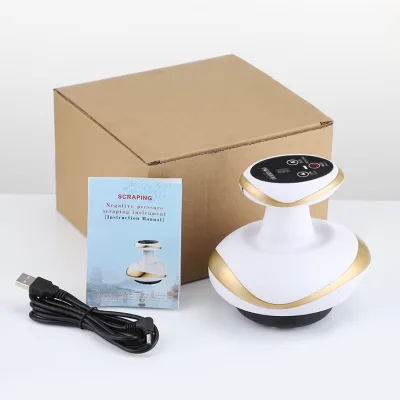
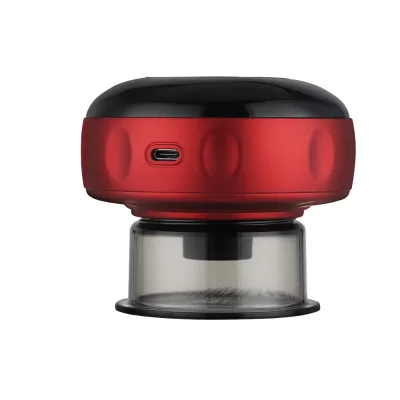

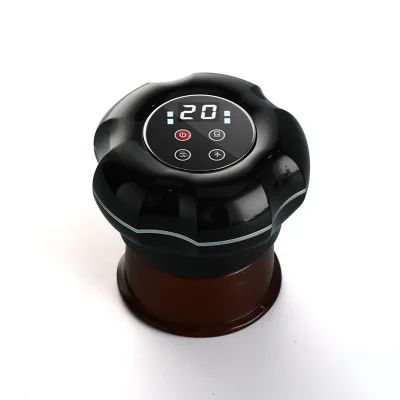
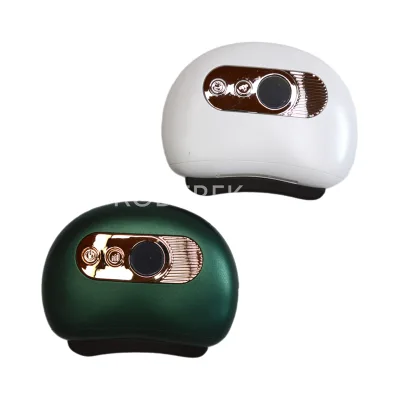
Comprehensive Sourcing Guide
Sourcing Guide for Electric Gua Sha Vibration Massagers
Understanding Product Variants and Core Specifications
When sourcing electric Gua Sha vibration massagers, buyers must first navigate the diversity of product configurations available in the global market. The core keyword encompasses a range of devices that combine traditional scraping techniques with modern electric vibration to enhance circulation and muscle relaxation. Based on observed market data, these devices typically feature a convex round or round contact type, designed to glide smoothly over the skin while delivering targeted vibration. The material composition is a critical differentiator; while some units are constructed from ABS plastic, others utilize a composite of ABS and PU (polyurethane) to ensure durability and a comfortable grip. The presence of PU often indicates a softer, more skin-friendly surface, which is essential for tools intended for direct body contact.
Power delivery is another fundamental specification. The majority of these massagers operate on electric power supplied via rechargeable batteries, eliminating the need for constant cord management during use. This rechargeable capability is standard across the observed product range, ensuring portability for both home and professional settings. Voltage ratings, such as the 7.4V observed in specific models, indicate the internal battery capacity and power output, which directly influences the intensity of the vibration. Speed settings are equally important for user customization; products are frequently observed with 12-speed configurations, allowing users to adjust the intensity from a gentle warm-up to a deep tissue treatment. The weight of the device also varies, with observations ranging from lightweight units around 220g to heavier models up to 3.5kg, depending on the intended application area, such as the arm or general body treatment.
Technical Attributes and Design Features
The design of an electric Gua Sha massager extends beyond its basic function to include specific features that enhance usability and safety. A common attribute found in these devices is the "Easy Operation" feature, which simplifies the user interface for a broad demographic, including elderly users or those with limited dexterity. The physical dimensions of the product are standardized for shipping and storage, with single package sizes observed as small as 15x12x4 cm for individual units, while bulk carton sizes can reach 47x33x46 cm. These dimensions are vital for logistics planning, as they determine the volume of freight required for a specific order quantity.
Color options are a significant aesthetic and functional consideration. The market offers a variety of colors, including Red, White, Gray, and Grey, allowing buyers to select products that match brand identity or consumer preferences. Customization is widely available, with options for silk screen printing or customized logos, enabling private label opportunities for retailers. The packaging types vary from single item boxes to corrugated boxes and color boxes, with carton quantities ranging from 12 to 40 pieces per unit. This variability in packaging allows suppliers to cater to different retail strategies, from bulk wholesale to premium retail presentation. Furthermore, the classification of the instrument as a Class II medical device in some contexts suggests a higher level of regulatory scrutiny regarding safety and efficacy, which buyers must verify against their local market requirements.
Compliance, Certification, and Regulatory Standards
Navigating the regulatory landscape is a critical step in sourcing electric Gua Sha massagers, particularly when importing into regions with strict medical device or consumer product safety laws. While the specific certification status of every supplier cannot be universally guaranteed without direct verification, the presence of CE certification is a notable observation in the market. CE marking indicates conformity with health, safety, and environmental protection standards for products sold within the European Economic Area. Buyers should treat this as a baseline requirement but must also investigate whether the product meets other regional standards, such as FDA regulations in the United States or local safety marks in Asia and South America.
The warranty period is another indicator of supplier confidence and product reliability. A standard warranty of 1 year is commonly observed, providing a buffer against manufacturing defects. However, the scope of this warranty, including what constitutes a defect versus normal wear and tear, must be clearly defined in the procurement contract. Additionally, the "Instrument Classification" as Class II implies that the device is considered a medical device in certain jurisdictions, requiring specific documentation and potentially more rigorous testing than general consumer electronics. Buyers should request test reports and certification documents directly from the manufacturer to ensure that the claimed standards are valid and current. Relying solely on the presence of a certification mark without verifying the issuing body or the scope of the certificate can lead to compliance risks at customs or in the marketplace.
Cost Drivers and Pricing Structures
The pricing of electric Gua Sha massagers is influenced by a complex interplay of factors, including material quality, customization levels, and order volume. The observed price range in the market spans from approximately $1.99 to $100, reflecting the vast difference between basic, unbranded units and premium, feature-rich models with advanced customization. The lower end of the spectrum typically corresponds to products with standard ABS construction, minimal speed settings, and basic packaging. In contrast, the higher price points are associated with devices featuring ABS+PU composites, higher speed counts, and extensive branding options like customized logos and specialized packaging.
Minimum Order Quantities (MOQ) are a significant cost driver for buyers. The observed MOQ range spans from 1 to 300 units, offering flexibility for small businesses and startups while maintaining efficiency for larger retailers. Higher MOQs often result in lower unit costs due to economies of scale in production and shipping. However, buyers must balance the cost savings against their inventory risk and storage capacity. The packaging type also impacts the final cost; units shipped in color boxes with individual branding will incur higher packaging costs compared to those shipped in plain corrugated cartons. Additionally, the origin of the product, typically China, influences labor and material costs, but buyers should also factor in shipping fees, which can vary significantly based on the weight and volume of the shipment. The single gross weight of the product, ranging from 0.250 kg to 3.5 kg, directly affects freight charges, making accurate weight verification essential for budgeting.
Typical Applications and Market Segmentation
Electric Gua Sha massagers serve a diverse range of applications, catering to both professional and consumer markets. The primary application areas identified include hotels, households, salons, and body treatment centers. In a household setting, these devices are used for personal relaxation, stress relief, and muscle recovery after exercise. The portable nature of the rechargeable units makes them ideal for travel and on-the-go use. In professional environments such as salons and hotels, the massagers are often part of a broader spa or wellness service offering. The specific application, whether for the arm or general body treatment, dictates the design and power requirements of the device.
The versatility of these massagers allows them to be marketed to various demographics. The "Easy Operation" feature and adjustable speed settings make them accessible to a wide audience, from fitness enthusiasts to older adults seeking pain relief. The classification as a Class II instrument in some contexts suggests potential use in clinical or therapeutic settings, although this depends heavily on local regulations. Buyers should align their product selection with their target market's specific needs. For instance, a salon might prioritize devices with a premium finish and customizable branding, while a hotel might focus on durability and ease of cleaning. Understanding these application nuances helps in selecting the right product specifications and marketing the device effectively to the end consumer.
Supplier Evaluation and Quality Control Protocols
Evaluating suppliers for electric Gua Sha massagers requires a rigorous approach to ensure product quality and reliability. Buyers should verify the manufacturer's identity and track record, as the market includes various producers, some of which may be well-established while others are new entrants. The "Hexi" manufacturer is noted in the product data, serving as an example of a specific entity, but buyers should not limit their search to a single name. Instead, they should conduct due diligence on multiple potential suppliers to compare capabilities, production capacity, and quality control processes.
Quality control is paramount in this category, given the electrical nature of the products and their direct contact with the human body. Buyers should implement a multi-stage quality control strategy, including pre-production sample approval, in-process inspections, and final random inspections before shipment. Key quality checkpoints include verifying the material composition (ABS vs. ABS+PU), testing the electrical safety of the rechargeable components, and ensuring the vibration motor operates smoothly at all speed settings. The "Customization" attribute, while attractive, introduces additional complexity; buyers must ensure that the customization process, such as silk screen printing, does not compromise the structural integrity or safety of the device. Furthermore, verifying the accuracy of the product dimensions and weight is essential to avoid discrepancies in shipping and inventory management.
Long-Term Procurement and Strategic Considerations
Sourcing electric Gua Sha massagers is not merely a transactional activity but a strategic decision that impacts long-term business viability. Buyers should consider the scalability of their supply chain, ensuring that suppliers can meet increased demand without compromising quality or delivery times. The availability of private molds is a critical factor; the observed data indicates that private molds are generally not available, meaning buyers may be limited to existing designs. This constraint can affect product differentiation and brand uniqueness. Buyers should explore alternative strategies for differentiation, such as focusing on packaging design, color customization, or bundling the massagers with complementary products.
Warranty and after-sales support are also crucial for long-term success. A 1-year warranty is standard, but buyers should negotiate terms that provide adequate protection against defects and ensure timely replacement or repair services. The lead time for production and shipping must be factored into inventory planning to prevent stockouts. Additionally, buyers should stay informed about changing regulations and standards, particularly regarding medical device classification and electrical safety. As the market evolves, new standards may emerge that require updates to product designs or manufacturing processes. By maintaining a proactive approach to compliance and supplier relationships, buyers can mitigate risks and ensure a steady supply of high-quality electric Gua Sha massagers for their customers.
FAQs
What materials are used for electric gua sha massagers?
These devices are typically constructed from ABS plastic or a composite of ABS and PU. The inclusion of PU often indicates a softer, skin-friendly surface designed for direct body contact and durability during use.
How is the power supply configured for these massagers?
The majority of these massagers operate on electric power supplied via rechargeable batteries. This configuration eliminates the need for constant cord management, ensuring portability for both home and professional settings.
Which speed settings are commonly available on these units?
Products are frequently observed with 12-speed configurations to allow user customization. This range enables users to adjust the intensity from a gentle warm-up to a deep tissue treatment suitable for various muscle groups.
Can buyers request customized logos on these products?
Yes, customization is widely available with options for silk screen printing or customized logos. This feature enables private label opportunities for retailers looking to brand the devices for their specific market segments.
What certifications are observed for these electric massagers?
CE certification is a notable observation in the market for these devices. Buyers should treat this as a baseline requirement but must also investigate whether the product meets other regional standards like FDA regulations.
How does the weight of the device vary by model?
The weight of the device varies, with observations ranging from lightweight units around 220g to heavier models up to 3.5kg. This variation depends on the intended application area, such as the arm or general body treatment.
What is the typical warranty period for these massagers?
A standard warranty of 1 year is commonly observed for these products. This provides a buffer against manufacturing defects, though the scope regarding normal wear and tear must be clearly defined in the procurement contract.